Case study
Mega Game Awards Nomination Process for Kids
Kids deserve digital experiences that are simple, empowering, and not designed like tax forms wearing a party hat.
I designed a kid-friendly nomination process for the Mega Game Awards to help children participate in the gaming community with confidence, clarity, and excitement.
The goal was to make the nomination flow easy enough for kids, trustworthy enough for parents, and playful enough for the gaming world.
The design problem
Award nomination processes can be too formal, text-heavy, and confusing for young users.
The experience needed to:
- Explain the process clearly.
- Support children through each step.
- Help parents or guardians trust the flow.
- Make participation feel exciting.
- Avoid overwhelming users with too much at once.
Audience design challenge
Designing for Kids means designing for clarity.
Designing for kids does not mean making everything silly.
It means making everything clearer.
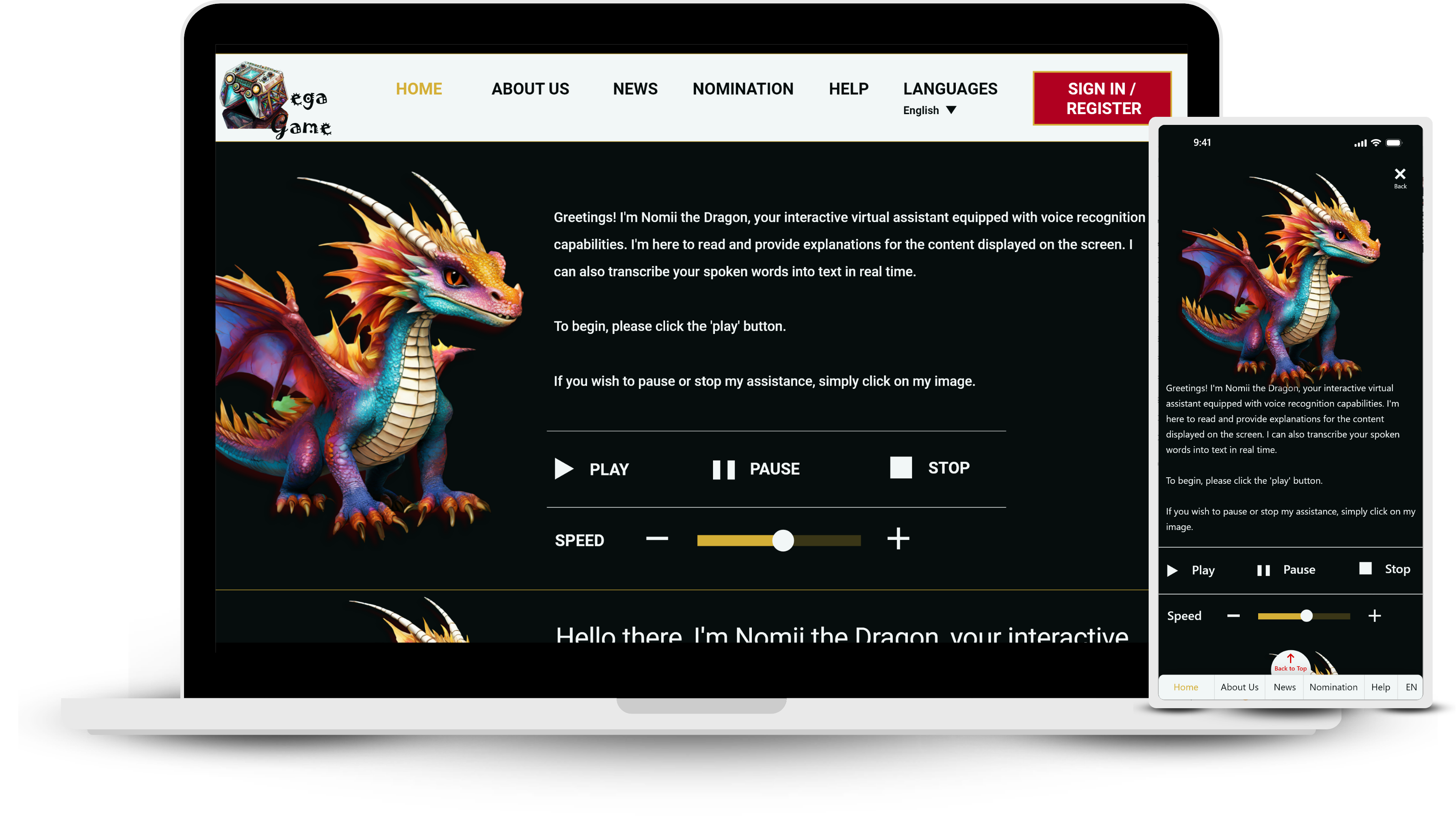
Children need simple instructions, visible progress, friendly feedback, and fewer decisions per screen.
The goal was to make the experience feel playful enough to be exciting, but structured enough that kids always knew what to do next.
Flow strategy
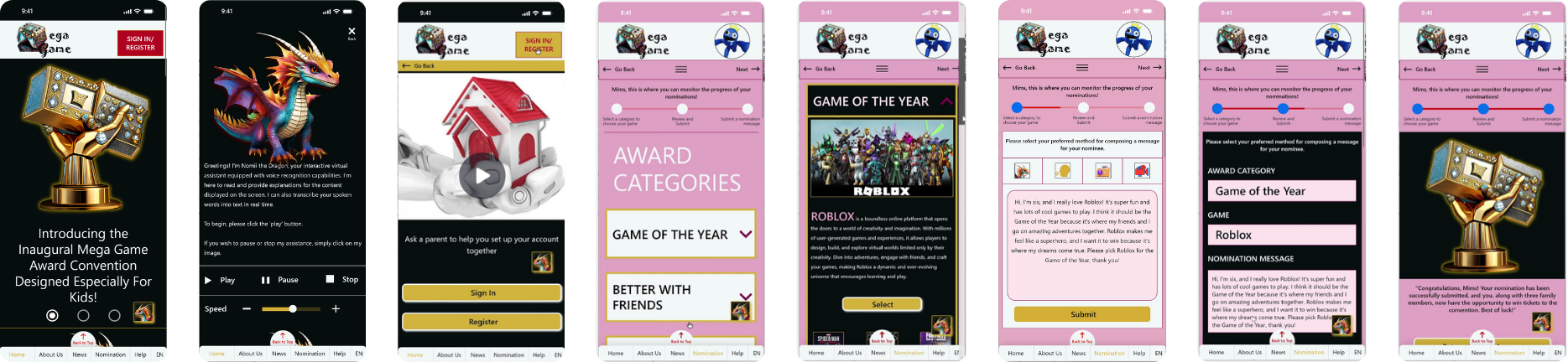
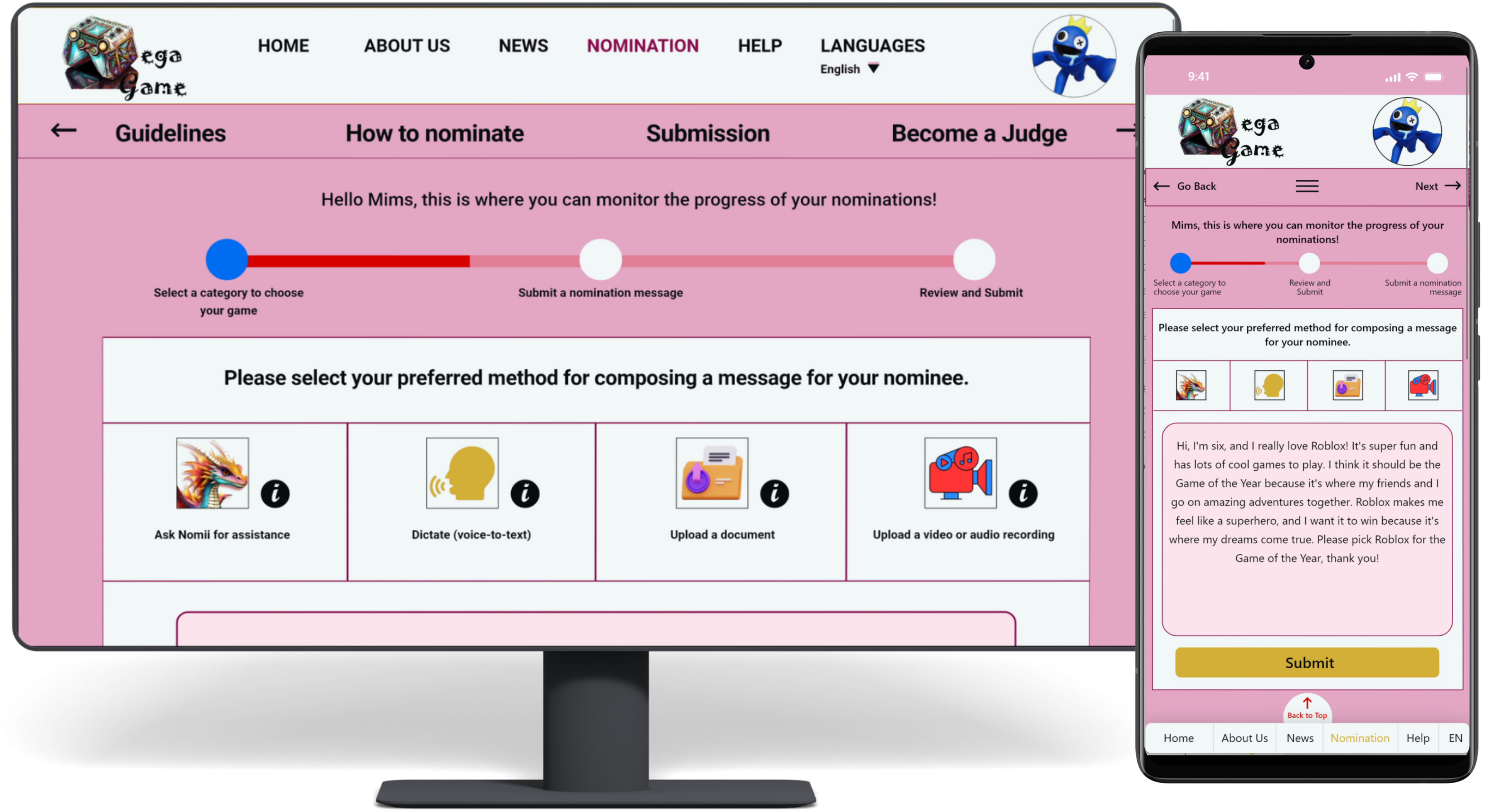
The nomination process became a simple step-by-step journey.
- Welcome
- Choose game category
- Select or enter nominee
- Review nomination
- Submit
- Celebrate completion

Key design decisions
The fun helped the experience make sense.
- One task per step: To reduce cognitive load, each screen focused on one clear action.
- Friendly microcopy: The language needed to feel encouraging, not formal.
- Visual progress: Progress indicators helped users understand where they were and what came next.
- Confirmation before submission: A review step prevented mistakes and build confidence.
- Rewarding success state: The final screen made completion feel exciting and positive.
Reflection
Playful design can still be serious UX.
The final nomination process helped kids move through the experience with clarity and confidence.
The fun was not decoration. It made the experience easier to understand.
It turned a potentially formal process into a guided experience that supported ownership, participation, and excitement.